
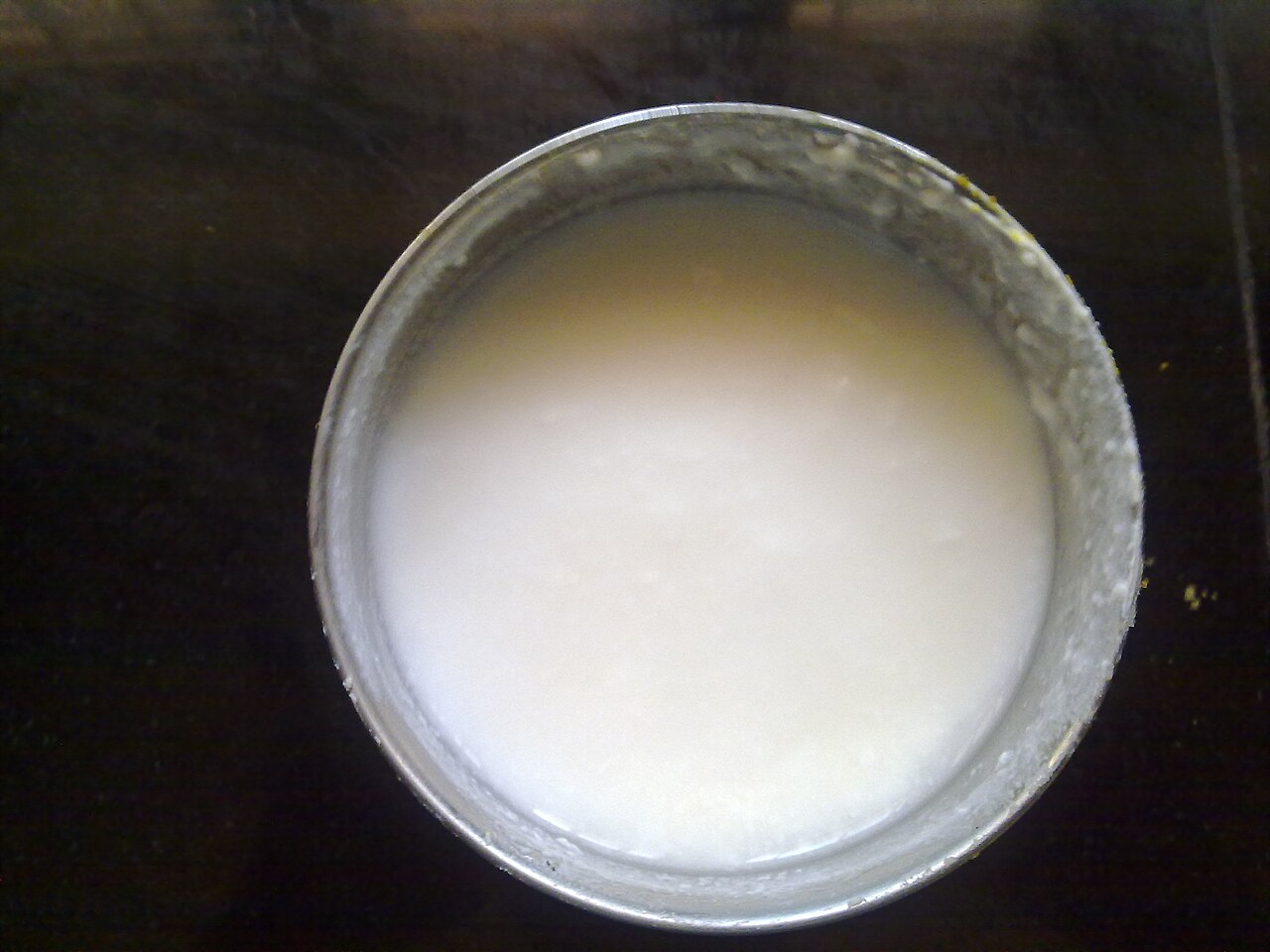
The claim: dahi is a "probiotic superfood" that fixes your gut, boosts immunity, melts belly fat and even improves your mood. Supermarket shelves now overflow with yogurts promising live cultures and digestive miracles — usually in small print next to a very large amount of sugar. But is the dahi in your fridge the same thing as the probiotic in the studies? And does a 6,000-year-old food need a marketing department at all?
Fermented milk is one of humanity's oldest processed foods — nomadic peoples were culturing milk in animal skins millennia before anyone knew bacteria existed. In South Asia, dahi never left the table: it's eaten daily, used in cooking, offered to guests, and trusted as a remedy for upset stomachs. That folk trust turned out to be remarkably well-placed. Then the modern wellness industry arrived, bottled the idea, added 20 grams of sugar and a "probiotic" label, and sold it back to us at triple the price.
This investigation untangles the three different things all called "yogurt": traditional live dahi, the sugary dessert cups wearing its name, and the clinical probiotic strains used in actual trials. They are not interchangeable — and knowing the difference is the whole story.
What's actually inside: the yogurt comparison
Not all yogurts are remotely the same food. Per 245g cup (about one standard serving):
| Per cup (245g) | Plain whole-milk dahi | Greek (strained) | Typical flavoured cup |
|---|---|---|---|
| Calories | ~150 | ~150–170 | ~200–250 |
| Protein | ~8g | ~15–20g | ~6–8g |
| Total sugars | ~11g (natural lactose) | ~6–8g | ~25–35g (mostly added) |
| Calcium | ~300mg | ~250mg | ~250mg |
| Live cultures | Yes (if fresh) | Yes (usually) | Sometimes (often heat-treated) |
Real yogurt is fermented by live bacteria — mainly Lactobacillus delbrueckii subsp. bulgaricus and Streptococcus thermophilus — and a good fresh dahi contains billions of live organisms per spoonful. That part is genuine, and it's the foundation of everything yogurt can legitimately claim.
The catch: many commercial "yogurts" are heat-treated after fermentation (which kills the cultures they're advertising), or loaded with 15–25g of added sugar per cup — four to six teaspoons. That's dessert wearing a health halo, and its gut-health claims are marketing fiction.
What "probiotic" actually means (and why it matters)
"Probiotic" has a precise scientific meaning: live microorganisms that, when taken in adequate amounts, give a health benefit. Three details in that definition decide whether your yogurt qualifies:
- Live: the bacteria must survive to your gut. Heat-treated yogurt, long-stored yogurt, and yogurt baked into snacks don't count.
- Adequate amounts: clinical trials typically use billions of organisms daily (measured in CFU — colony-forming units). A spoonful of fresh dahi clears this bar easily; a sugary cup eaten once a week doesn't.
- Strain-specific benefit: this is the big one. Probiotic effects belong to specific strains, not to "yogurt" in general. The standard dahi cultures are excellent at fermenting milk and pre-digesting lactose, but the dramatic claims — immunity boosts, mood effects, cholesterol reduction — come from trials of specific added strains (like certain Lactobacillus rhamnosus or Bifidobacterium strains) at clinical doses. Your breakfast bowl and a clinical probiotic are related but not equivalent.
One more honest nuance: most probiotic bacteria don't permanently colonize your gut — they're tourists, not residents. They pass through over days, interacting with your gut lining and resident microbes as they go. That's why regular consumption matters more than any single serving.
Gut health: what the evidence actually supports
Fermented dairy is one of the better-supported foods in all of nutrition science. Large, long-term cohort studies link regular yogurt eaters to greater gut bacterial diversity and a lower risk of type 2 diabetes. And a well-known controlled trial found that a diet high in fermented foods (yogurt, kefir, kimchi and the like) increased microbiome diversity and calmed markers of inflammation — one of the more exciting nutrition findings of recent years.
There's also a benefit anyone can feel directly: the live cultures pre-digest some of the milk's lactose, which is why many lactose-sensitive people tolerate dahi far better than milk. The bacteria do part of digestion's work before the food reaches you.
What yogurt doesn't do: it doesn't "repopulate" your gut after antibiotics in any dramatic, proven way (the evidence there is genuinely mixed — some trials even suggest probiotics can delay the natural recovery of gut flora), and it doesn't fix serious gut disorders. For IBS, some specific probiotic strains show modest benefit; generic dahi is soothing for many people but not a treatment.
Weight, diabetes and metabolic health
Across large population studies, regular yogurt consumption is one of the foods most consistently associated with less long-term weight gain — not dramatic weight loss, but a meaningful difference over years. The likely reasons are unglamorous: protein improves satiety, fermented dairy may modestly improve metabolic markers, and people who eat plain yogurt daily tend to have better overall diets.
Randomized trials add modest support: high-protein yogurt as a snack reduces hunger and subsequent calorie intake compared with lower-protein snacks. But — and this is doing a lot of work — the benefit belongs to plain, high-protein yogurt. The sugary flavoured cup does the opposite: 25g of added sugar with a health halo trains the same cravings as any dessert.
On diabetes specifically, meta-analyses of cohort studies link daily yogurt intake to a modestly lower risk of type 2 diabetes. It's correlation, not proof — but it's consistent, dose-responsive correlation, which is more than most "superfoods" can show.
Immunity, bones and the claims to handle with care
Bones: this one is solid. Yogurt is a top-tier source of calcium, and also provides phosphorus, potassium, and often vitamin D (in fortified products) — the full bone-support package. Regular yogurt intake is linked to better bone density in older adults in observational studies. Uncontroversial.
Immunity: handle with care. The gut houses much of the immune system, and fermented foods do interact with it — but "boosts immunity" as a marketing claim wildly overstates small, strain-specific findings. Eating dahi daily is good immune hygiene, not an immune upgrade. Nobody's yogurt prevented the flu.
Mood and the "psychobiotic" hype: the gut-brain axis is real and fascinating, and early trials of specific probiotic strains show hints of mood benefit. But we're at the "intriguing pilot studies" stage, not the "eat yogurt for happiness" stage. Any article telling you dahi cures anxiety is selling something.
Vaginal and urinary health: specific Lactobacillus strains (not generic yogurt cultures) show promise for recurrent issues in clinical trials. Eating dahi is not a treatment here — though it's a reasonable part of an overall diet.
How to pick a yogurt that's actually good for you
- The ingredient-list test: milk + live cultures. That's it. If sugar appears in the first three ingredients, you're holding dessert.
- "Live and active cultures" seal: it matters — without it, the bacteria may have been heat-killed after fermentation.
- Greek / strained yogurt: roughly double the protein and less lactose — genuinely the better choice for satiety. But check it isn't just regular yogurt thickened with starch and gelatine; real strained yogurt lists only milk and cultures.
- Skyr and kefir: skyr is even higher in protein; kefir contains a wider variety of live organisms than yogurt (including beneficial yeasts) and is worth trying if you like the tangy, drinkable style.
- Flavoured cups: often 4+ teaspoons of added sugar. The fix is simple: buy plain, add fruit, honey or nuts yourself — you control the sugar and it tastes better.
- "Probiotic" branded yogurts: check which strains and in what amounts. Named strains with CFU counts on the label are a good sign; vague "probiotic" wording with no details is a red flag.
- Plant-based yogurts: fine for the dairy-avoidant, but most are low in protein and many lack live cultures entirely — read the label, don't assume.
Homemade dahi: the original probiotic
Before brands existed, there was the steel bowl on top of the fridge. Homemade dahi is excellent — live, fresh, zero additives, and essentially free:
- Method: boil milk, cool to lukewarm (warm to the touch, not hot — heat kills the starter), stir in a spoonful of live dahi from the last batch, cover and leave undisturbed 6–8 hours in a warm spot.
- Keep the culture going: reserve a spoonful of each batch to start the next. Refresh the starter every week or two from a reliable source to keep the cultures vigorous.
- Texture tips: whole milk sets thickest; don't disturb the bowl while it sets; chill after setting for firmer dahi.
- Hygiene: clean utensils and properly boiled milk. If a batch smells off, looks slimy or pinkish, discard it and start fresh — your nose knows.
Homemade dahi typically has a more diverse, vigorous culture than long-stored commercial cups — and you know exactly what's in it because you put it there.
How to use yogurt right
- The daily habit: one cup (200–250g) of plain yogurt daily is a solid, evidence-backed habit — with breakfast, as raita with lunch, or as an evening snack.
- The satiety snack: Greek yogurt with fruit and a few nuts beats almost any packaged snack for fullness per calorie.
- In cooking: dahi marinades tenderize meat (the acidity and enzymes do the work); raita cools spicy food while adding protein; strained yogurt makes a healthier base for dips than mayonnaise.
- Smoothies: plain yogurt adds protein and creaminess; frozen fruit supplies the sweetness so you don't need sugar.
- Don't cook the cultures: high heat kills the live bacteria. Stir dahi into curries off the heat, at the end — you keep the flavour and the live cultures.
Who should be careful
- Milk allergy (not intolerance): a true milk allergy is an immune reaction to milk proteins — yogurt is not safe, since the proteins remain. Lactose intolerance is different and often tolerates dahi fine.
- Severe lactose intolerance: most tolerate dahi, and strained/Greek types are lower still — but test small amounts first.
- Weakened immunity: people with severely compromised immune systems should avoid unpasteurized/raw-milk fermented products; stick to pasteurized commercial yogurt and check with a doctor about high-dose probiotic products.
- Added-sugar trap: the biggest "side effect" of yogurt in the modern diet isn't bacterial — it's the 25g of sugar in the flavoured cup. That's the version doing harm, not the food itself.
- Infants under one: plain yogurt in small amounts is generally fine as a weaning food, but it shouldn't replace breast milk or formula as the main milk source.
Myth vs fact
- Myth: All yogurt is probiotic. Fact: Only yogurt with live cultures counts — heat-treated cups are bacterial graveyards.
- Myth: Probiotic effects are the same in every yogurt. Fact: Effects are strain-specific; generic dahi cultures and clinical strains aren't equivalent.
- Myth: Flavoured yogurt is a health food. Fact: 15–25g of added sugar per cup makes it dessert.
- Myth: Yogurt "boosts immunity" against colds and flu. Fact: Good gut-immune hygiene, not an immune upgrade.
- Myth: Lactose-intolerant people can't eat dahi. Fact: Fermentation pre-digests much of the lactose — many tolerate it well.
- Myth: Homemade dahi is unsafe. Fact: With boiled milk and clean utensils, it's among the freshest live-culture foods you can eat.
Quick questions
Homemade dahi vs store-bought?
Homemade wins on freshness, live cultures, zero additives and price — as long as your milk is properly boiled and utensils are clean. Keep the culture going with a spoonful of each batch, and refresh the starter every week or two.
I'm lactose intolerant — can I eat dahi?
Often yes, in moderate amounts: fermentation breaks down much of the lactose, and the live cultures help digest the rest. Strained/Greek types are lower in lactose still. Test a small amount first — severe intolerance varies by person.
How much yogurt a day?
One cup (200–250g) of plain yogurt daily is a solid, evidence-backed habit. More is fine too — it's a food, not a supplement.
Does yogurt help weight loss?
Plain, high-protein yogurt improves satiety, which helps indirectly — and long-term studies link regular yogurt eaters to less weight gain. The sugary flavoured kind does the opposite. The yogurt matters more than the habit.
Is Greek yogurt always better?
For protein and satiety, yes — roughly double the protein. But check it's genuinely strained (ingredients: milk and cultures), not regular yogurt thickened with starch. Plain regular dahi is still excellent.
What about kefir?
Kefir is yogurt's tangier cousin with a wider variety of live organisms, including beneficial yeasts. It's a great alternative if you want more microbial diversity — the evidence base is smaller than yogurt's but promising.
Can yogurt replace a probiotic supplement?
For general gut health, daily live dahi is arguably better than most supplements. But specific medical uses (certain digestive conditions, antibiotic recovery) involve particular strains at clinical doses — that's a conversation with your doctor, not a yogurt cup.