
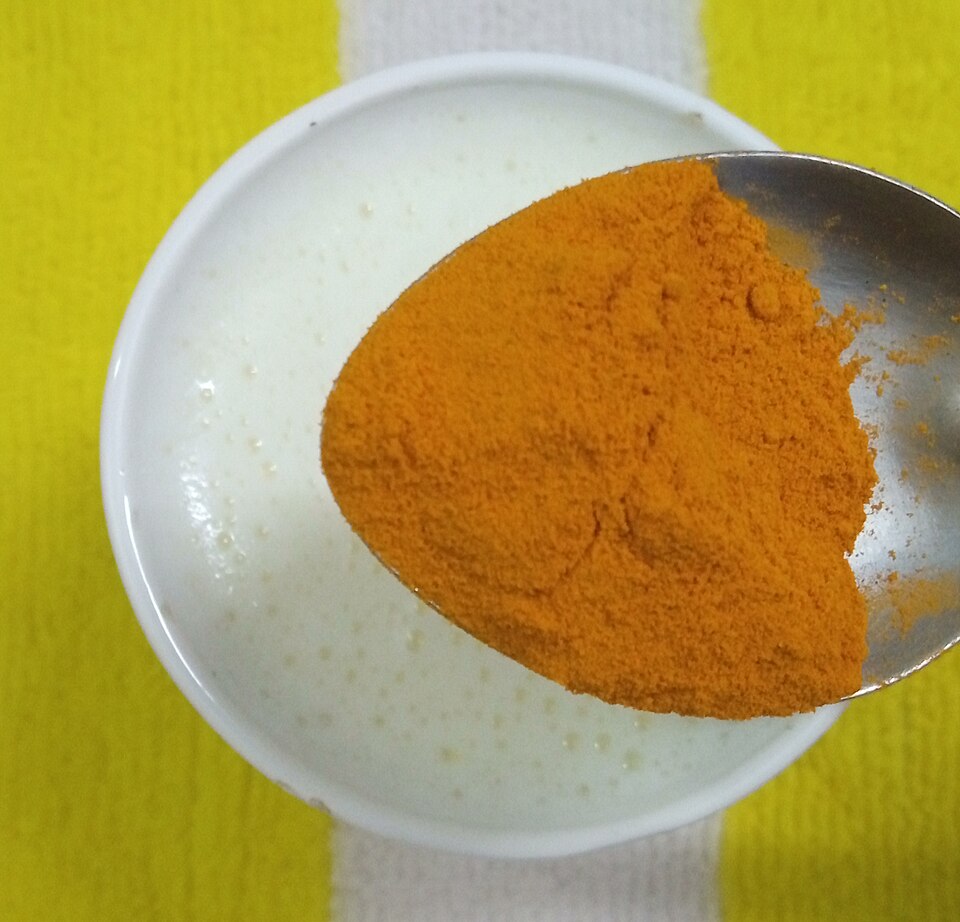
The claim: a warm glass of haldi doodh fixes colds, boosts immunity, improves sleep and calms inflammation. Grandmothers across South Asia prescribed it for everything from a scratchy throat to a bad day — and in the last decade, wellness influencers rebranded it as "golden milk" and took it global. Who's right: the grandmothers, the influencers, or the skeptics?
The short answer is that both the grandmothers and the science deserve respect — but not for all the same reasons. Turmeric's active chemistry is among the most studied of any plant compound on earth, with thousands of published papers. Yet the gap between a kitchen glass of haldi doodh and the doses used in clinical trials is wide, and one famous absorption problem sits right in the middle of it. Let's walk through the whole picture.
What's actually in your glass
Kitchen turmeric powder is only about 2–5% curcumin — the headline compound. A level teaspoon (about 3 g) therefore gives you roughly 60–150 mg of curcuminoids, compared to the 500–1,000 mg of concentrated extract used in most clinical trials. That gap matters, and we'll come back to it. But turmeric isn't just curcumin:
- Curcuminoids — curcumin plus two close relatives (demethoxycurcumin and bisdemethoxycurcumin), the main anti-inflammatory actors.
- Turmerones — aromatic oils in turmeric that give it its earthy smell and may help the body absorb curcuminoids.
- The milk — protein, calcium and, crucially, fat. Curcumin is fat-soluble, so the fat in milk is part of the delivery system, not just comfort.
- Black pepper (kali mirch) — the traditional pinch isn't decoration. Its piperine is the single biggest absorption booster known for curcumin.
- Optional spices — ginger and cinnamon, common in family recipes, bring their own mild anti-inflammatory and warming effects.
Curcumin: why scientists got excited
Curcumin is one of the most researched plant compounds in the world, and the interest is legitimate. In lab studies it interacts with multiple inflammatory signaling pathways — the chemical cascades behind swelling, pain and tissue damage. Human trials have linked curcumin to reduced markers of inflammation, modest help with osteoarthritis pain and stiffness, and some favorable shifts in metabolic markers like triglycerides.
The honest framing, though: the strongest results come from trials using concentrated extracts with absorption enhancers, not from spoonfuls of kitchen turmeric. A glass of haldi doodh is a gentle, low-dose daily habit — directionally the same as the trials, but far milder. Think of it as a nudge, not a treatment.
Researchers are also exploring curcumin for metabolic health and brain aging. Early trials hint at small improvements in triglycerides and markers of oxidative stress, and population studies in regions with high turmeric consumption have sparked interest in cognitive aging — but this is genuinely early-stage science, with small samples and mixed results. It is a reason to watch the research, not a reason to make promises. The pattern across all of it is consistent: real biological activity, mostly demonstrated at extract doses far above a kitchen glass.
The absorption catch
Here is the central problem: curcumin is poorly absorbed by the human body. It dissolves badly in water, and what little gets absorbed is rapidly metabolized and cleared — most of a plain turmeric drink passes straight through. But traditional recipes accidentally solved this centuries before the science existed. Studies show two things dramatically improve uptake:
- Black pepper: piperine can increase curcumin absorption enormously — one frequently cited study found an increase of up to 2000%. The traditional pinch of kali mirch in haldi doodh was doing real pharmacology.
- Fat: because curcumin is fat-soluble, full-fat milk (or coconut milk) carries far more of it into the bloodstream than water or skimmed milk. Warmth helps too, by dissolving the powder more completely.
So: plain turmeric stirred into water is mostly wasted. Turmeric + warm full-fat milk + a pinch of black pepper is the combination the science actually supports — which is exactly what the traditional recipe was.
Colds: what the warm glass actually does
When you're sick, haldi doodh genuinely helps you feel better — warm liquid soothes an irritated throat, steam loosens congestion, hydration supports recovery, and the ritual itself is calming. The turmeric adds mild anti-inflammatory support on top. What it doesn't do, in any proven way, is shorten the cold or kill the virus. No trial shows faster recovery from turmeric milk. Enjoy it as comfort care alongside rest and fluids — not as a cure.
Sleep: ritual vs chemistry
Many people swear haldi doodh helps them sleep. The chemistry story is weak: warm milk contains tryptophan, but in amounts far too small to sedate anyone — that's mostly myth. Turmeric has no meaningful sedative effect either. What is real is the wind-down ritual: a warm, caffeine-free drink an hour before bed, away from screens, signals your body that the day is ending. That routine genuinely helps many people fall asleep faster. The turmeric is a pleasant passenger; the ritual is the driver. Don't expect it to fix real insomnia, which has causes a drink can't touch.
Joint pain: the most promising claim
This is where curcumin trials look most convincing. Multiple randomized trials in people with knee osteoarthritis found that curcumin extracts reduced pain scores and improved function — in some trials, comparably to common anti-inflammatory drugs, with fewer stomach side effects. That's a serious result.
The catch, again, is dose: those trials used concentrated extracts, not kitchen turmeric. Your nightly glass delivers a fraction of that. Realistic expectation: haldi doodh is a sensible, gentle daily habit for creaky joints — pleasant, low-risk support — but it is not a painkiller, and anyone with significant arthritis should still see a doctor rather than self-treating with spice.
Immunity: the overclaim
"Boosts immunity" is where turmeric marketing runs past the evidence. Curcumin is anti-inflammatory, which is not the same as immune-boosting — in fact, calming inflammation and stimulating immunity can pull in opposite directions. There is no good evidence that turmeric milk makes you catch fewer infections. A varied diet, sleep and not being deficient in key nutrients do far more for immune function than any single drink.
How to make it right
A proper glass, the way both tradition and science agree on:
- 1 cup of milk — whole dairy milk, or coconut milk for a dairy-free version. Avoid skimmed: you need the fat for absorption.
- ½ to 1 teaspoon turmeric powder — the traditional and sensible amount. More isn't better (see below).
- A pinch of black pepper — non-negotiable. This is the absorption multiplier.
- Optional: a slice of fresh ginger or ¼ teaspoon cinnamon, warmed with the milk for extra flavor and mild benefits.
- Warm, don't boil — heat until steaming, then simmer 2–3 minutes to dissolve the spices. Sweeten lightly with honey if you like (stir it in after cooling slightly, to preserve the honey).
- When: 30–60 minutes before bed is the classic timing. Consistency matters more than dose — a small nightly glass beats an occasional heroic one.
How much turmeric is in your glass — and does it matter?
As noted, a teaspoon of kitchen turmeric gives you roughly a tenth of a typical clinical-trial dose of curcuminoids. That doesn't make the drink useless — it makes it a gentle daily habit, not a medicine. Populations that use turmeric daily in cooking show interesting health patterns in observational research, but those reflect decades of dietary patterns, not one glass. If a doctor ever recommends curcumin for a specific condition, they'll mean a standardized extract — a different product from the kitchen jar, with different risks.
Who should be careful
- Gallbladder problems: turmeric stimulates bile release and gallbladder contractions. Anyone with gallstones or bile-duct obstruction should avoid medicinal amounts and check with a doctor even about daily use.
- Blood thinners and diabetes medication: turmeric can slow clotting and lower blood sugar — stacking it with warfarin, aspirin therapy or glucose-lowering drugs can amplify effects. Talk to your doctor.
- Kidney stones: turmeric is high in oxalates, which contribute to the most common type of kidney stones. If you're stone-prone, daily turmeric isn't ideal.
- Pregnancy: culinary amounts in food are fine, but concentrated turmeric/curcumin supplements in pregnancy are not well studied — stick to the kitchen glass, not the pills.
- High-dose supplements: concentrated curcumin extracts have been linked in rare cases to liver injury. The drink is far gentler — this caution is about pills, not haldi doodh.
- Stomach sensitivity: large amounts of turmeric can cause nausea, reflux or diarrhea. The traditional ½–1 teaspoon rarely causes trouble.
Myth vs fact
- Myth: "Haldi doodh cures colds and flu." Fact: It's excellent comfort care — soothing, hydrating, calming. Not a cure.
- Myth: "More turmeric means stronger medicine." Fact: Absorption is the bottleneck, not the spoon size. Extra turmeric mostly means extra stomach upset.
- Myth: "Any milk works the same." Fact: Fat is part of the delivery system. Skimmed milk or plain water delivers far less curcumin.
- Myth: "Café golden lattes give the same benefits." Fact: Many skip the black pepper and add lots of sugar — check what's actually in the cup.
Quick questions
How much turmeric per glass?
Half to one teaspoon of turmeric powder plus a pinch of black pepper in warm milk is the traditional and sensible amount.
Is golden milk latte the same thing?
Essentially yes — café "golden milk" is turmeric milk rebranded, often with extra spices and sweeteners. Just check it includes black pepper and isn't loaded with sugar.
Can I just take curcumin pills instead?
Extracts are more potent but also more likely to interact with medications. For a daily habit, the drink is gentler.
Can I make it with water instead of milk?
You can, but you'll absorb far less curcumin since it's fat-soluble. If you avoid dairy, use coconut milk or add a teaspoon of coconut oil or ghee to the water version.
Will turmeric milk stain my teeth?
It can leave mild temporary yellowing with daily use. Drinking water afterwards and keeping up normal brushing handles it. A straw helps if it bothers you.
Morning or night — when is best?
Night is traditional and makes sense: it's caffeine-free, the warmth is relaxing, and it becomes a wind-down ritual. There's no strong evidence for a "best" time metabolically.
Can kids drink turmeric milk?
Small culinary amounts (half a teaspoon in warm milk) are generally fine for children and are common in South Asian households. Keep it mild on the pepper, and skip concentrated supplements for kids unless a doctor advises.