
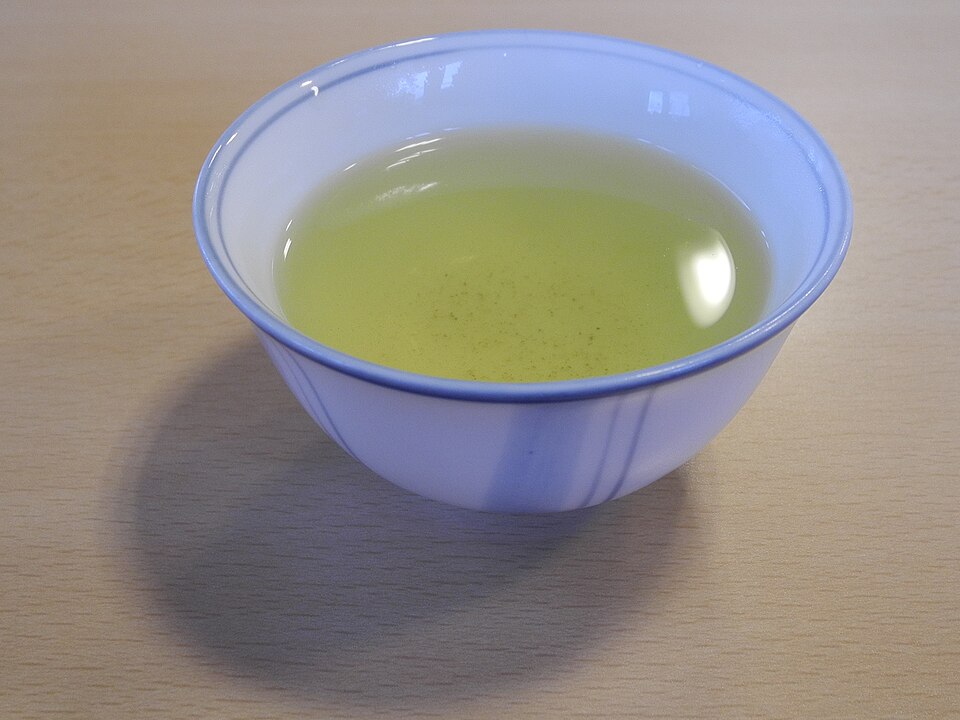
The claim: drink green tea and watch the fat melt away. It's the backbone of countless "flat belly" routines, detox-tea ads and before-and-after posts. The marketing is loud — but the clinical trials tell a quieter, more honest story.
Green tea has been drunk for thousands of years, first in China and later at the center of Japanese tea culture — always as a drink of calm focus, never as a diet product. The weight-loss story is much newer: it took off in the early 2000s when researchers noticed that green tea's natural compounds slightly raise energy expenditure, and the supplement industry ran with the finding. Two decades of trials later, we can say exactly how much of the hype survived. Spoiler: the effect is real, and it's small.
It's worth saying upfront what this article won't do: it won't tell you green tea is useless (it isn't — it's a genuinely excellent drink), and it won't pretend a beverage can replace food and movement (it can't). What follows is the full, honest picture — the mechanism, the numbers, the forms worth buying, and the traps to avoid.
What's in your cup
A typical cup of brewed green tea (about 240 ml) contains:
- Caffeine: roughly 30–50 mg — about a third of a cup of coffee. Enough for gentle alertness without the jitters.
- EGCG (epigallocatechin gallate): roughly 50–100 mg — the catechin antioxidant behind most of the studied metabolic effects. Content varies a lot by leaf quality and brewing.
- L-theanine: roughly 20–25 mg — an amino acid that promotes calm focus and smooths out caffeine's edge.
- Almost zero calories — as long as you don't add sugar or honey.
Matcha, made from whole ground leaves, delivers more of everything per cup — more EGCG, more caffeine, more L-theanine. Bottled "green teas" from the shop fridge usually don't count: most are sweetened and contain far less catechin than brewed tea.
Why scientists took it seriously
The mechanism is real and well documented in short-term metabolic studies. Caffeine and EGCG together slightly increase energy expenditure (your body burns a little more fuel at rest) and fat oxidation (a little more of that fuel comes from fat). They appear to work as a team: caffeine stimulates the nervous system while EGCG prolongs the signal, so the pair does more than either alone. L-theanine adds the calm, focused feeling that makes green tea's caffeine lift pleasanter than coffee's.
None of this is controversial — it's basic, replicated physiology. The entire debate is about size: how much does this nudge actually move the scale?
How big is the effect? Small.
This is where hype meets data. Meta-analyses pooling randomized trials find that green tea (or its extracts) produces an average extra weight loss of roughly 1–2 kg over 12 weeks compared to placebo — and many individual trials show no significant effect at all. Nobody in these studies got slim from tea alone. Diet and movement did the heavy lifting; tea added a nudge.
A few nuances worth knowing: the effect looks slightly larger in people who don't habitually consume caffeine (regular coffee drinkers seem to get less of a kick), and results vary between populations. But no honest reading of the trials supports anything beyond "small average help." Anyone promising melted belly fat from tea is selling something — usually tea.
Belly fat specifically?
Some trials went further and measured waistlines and visceral fat (the deeper fat around organs) rather than just scale weight. A few studies using catechin-enriched green tea reported modest reductions in waist circumference and abdominal fat over 12 weeks. Again: modest, not dramatic — on the order of a centimeter or two off the waist. Researchers still debate why results vary so much between trials — differences in tea catechin content, participants' caffeine habits and study length all seem to play a role. And "spot reduction" remains a myth; you can't aim fat loss at the belly with any food or drink. Green tea may trim the average slightly, everywhere, a little.
Tea vs extract vs "fat burner" pills
- Brewed green tea (2–3 cups/day): safe for most people, mild effect, plus hydration and a calm caffeine lift. This is the form with the best safety record by far.
- Standardized extracts: the stronger doses used in trials (often 400–800 mg EGCG daily) — but concentrated EGCG has been linked to rare cases of liver injury, especially when taken on an empty stomach or in very high doses. More is not automatically better.
- "Green tea fat burner" supplements: often under-dosed on EGCG and over-dosed on added stimulants like synephrine or yohimbine. The label says green tea; the effect comes from the stimulant cocktail. Marketing, mostly — with real side-effect risk.
The "detox tea" trap
Green tea's weight-loss halo spawned an entire "detox tea" industry — teatoxes, flat-tummy teas, 14-day cleanses. Most of these have little to do with green tea's actual science. Many contain senna or similar herbal laxatives, which cause water loss and bowel urgency that looks like fast weight loss on the scale but isn't fat loss at all. Regular use can irritate the bowel, deplete electrolytes and create dependency.
The rule of thumb: if a tea promises rapid transformation, check the ingredient list for laxatives and added stimulants. Plain brewed green tea — the boring, unsweetened kind — is the version with actual evidence behind it, and its honest effect is the small nudge described above. Anything promising more is selling the promise, not the tea.
What green tea IS great for
Set weight loss aside, and green tea is an excellent daily drink on its own merits:
- Calm energy: the caffeine + L-theanine combination gives alertness without coffee's jitters or crash — ideal for focused work.
- Heart markers: regular drinkers in population studies tend to show slightly better cholesterol and blood pressure profiles. Modest, but consistent.
- Hydration without calories: it counts toward fluid intake like water does.
- Oral health: catechins and natural fluoride mildly discourage the bacteria behind cavities and bad breath.
- The calorie swap: replacing sugary drinks or milky, sugary chai with unsweetened green tea does help weight loss — but that's the removed calories doing the work, not magic fat-burning. This swap is probably the biggest real-world "weight loss effect" of green tea.
How to use it right
- How much: 2–3 cups of brewed green tea a day is the amount most associated with benefits in studies.
- Brew it properly: water at 70–80°C (not fully boiling), steeped 2–3 minutes. Boiling water makes it bitter and harsh; too short a steep leaves the good stuff in the leaf.
- Keep it unsweetened: sugar or honey cancels the calorie advantage — the whole point for weight goals.
- Timing: morning and early afternoon. The caffeine is mild but real; late-evening cups can disturb sleep.
- Before exercise? Some people drink a cup 30–60 minutes before a workout for a small boost in fat oxidation and focus. The effect is modest, but it's a reasonable, low-risk habit.
- Matcha option: if you want the stronger version, whisk 1–2 g of matcha powder into hot (not boiling) water. Same story, slightly stronger — and pricier.
Who should be careful
- Caffeine-sensitive people: 30–50 mg per cup is mild, but it adds up across 3–4 cups — and on top of coffee. Jitters, anxiety and palpitations mean cut back.
- Sleep: even mild caffeine after late afternoon can fragment sleep in sensitive people. Keep it to the first half of the day.
- Pregnancy and breastfeeding: caffeine counts from all sources. Standard guidance caps total caffeine around 200 mg/day in pregnancy — that's roughly 4–5 cups of green tea, but most doctors advise staying well under that and counting coffee too.
- Iron absorption: tea tannins can reduce iron absorption from meals. If you're anemic or iron-deficient, drink tea between meals rather than with them.
- Empty stomach: green tea on a completely empty stomach causes nausea in many people — have it with or after food.
- Extracts and the liver: high-dose green tea extract pills have been linked to rare liver injury. Brewed tea has no such record. If you use extracts, avoid megadoses, don't take them on an empty stomach, and stop if you feel unwell.
- Medications: concentrated extracts can interact with some drugs (including certain blood thinners and stimulants). Brewed tea is far less of a concern, but check with a pharmacist if you take daily medication and use extracts.
Myth vs fact
- Myth: "Green tea melts belly fat." Fact: It nudges metabolism slightly — a kilo or two over months, not melted inches.
- Myth: "More cups means more weight loss." Fact: Caffeine side effects cap the dose long before benefits scale. 2–3 cups is the sweet spot.
- Myth: "Detox teas cleanse fat away." Fact: Most "detox" teas are laxatives in disguise — they move water and irritate the bowel, not fat. Some are genuinely risky.
- Myth: "Decaf green tea works the same for weight loss." Fact: Without caffeine, the caffeine–EGCG synergy is weaker. Still a healthy drink, just with even less metabolic effect.
Quick questions
How many cups per day?
2–3 cups of brewed green tea is the amount most associated with benefits in studies.
Does adding lemon or honey help?
Lemon adds vitamin C and may slightly help catechin absorption. Honey just adds calories — skip it for weight goals.
Matcha vs regular green tea?
Matcha uses the whole ground leaf, so you get more EGCG and caffeine per cup — same story, slightly stronger.
What's the best time to drink green tea?
Morning to early afternoon. That gives you the calm-focus benefit when you need it and keeps the mild caffeine from disturbing your sleep.
Why does green tea make me nauseous on an empty stomach?
Tannins in the tea irritate an empty stomach lining — it's very common and not a sign anything is wrong. Have it with or after food and the problem usually disappears.
Does green tea stain teeth?
Mildly, with heavy daily use — less than black tea or coffee. Normal brushing handles it for most people.
Is bottled or iced green tea the same?
Usually not. Most bottled versions are sweetened and contain far fewer catechins than freshly brewed tea. If you like it cold, brew it yourself and chill it — unsweetened.
Can green tea replace my morning coffee?
For many people, yes — you get gentler, longer-lasting alertness from the caffeine + L-theanine combo, without coffee's spike and crash. Just expect about a third of the caffeine per cup, so heavy coffee drinkers may miss the kick at first.