
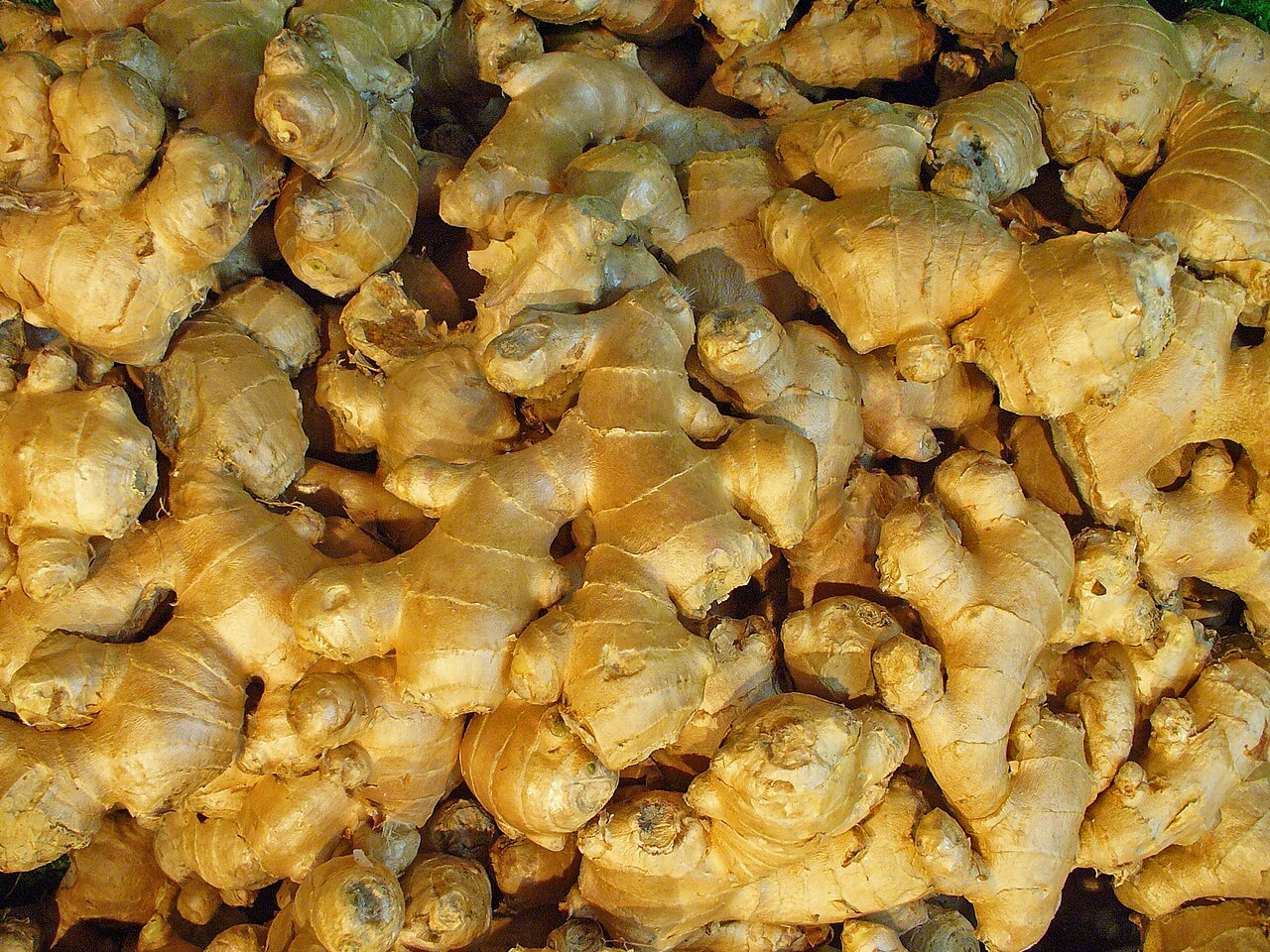
The claim: a daily ginger shot "boosts immunity," wards off colds and flu, fires up your metabolism, and flushes out toxins. The burn in your throat is sold as proof it's working — no pain, no gain. Ginger has roughly 5,000 years of medicinal use behind it, and the modern shot ritual borrows all of that ancient credibility. But does it survive a look at the human trials?
First, some context on why this particular trend exploded. Ginger isn't new — it's one of humanity's oldest medicines. Ancient Chinese and Indian medical texts describe ginger for stomach complaints and circulation; Arab traders carried it along the spice routes until it became one of the first Eastern spices to reach medieval Europe, where it was prescribed for everything from plague to poor digestion. That deep history is exactly what the wellness industry leans on today.
The ginger shot, though, is a modern invention. It emerged from juice bars and wellness cafes in the 2010s, riding the same wave as wheatgrass shots and apple cider vinegar tonics. Social media did the rest: influencers knocking back 30ml of fiery ginger juice on camera, wincing theatrically, promising viewers an "immunity shield." The format is perfect for selling — it's dramatic, it's cheap to make, and the burn feels like something is happening. Our job is to separate that feeling from the facts.
What's actually inside ginger
Ginger's punch comes from a family of bioactive compounds, mainly gingerols (the dominant ones in fresh ginger, especially 6-gingerol) and shogaols (which form when ginger is dried or heated — they're actually more potent than gingerols at some receptors). It also contains zingerone, paradols, and a fragrant cocktail of volatile oils like zingiberene, which give ginger its distinctive aroma.
These compounds have genuine anti-inflammatory and antioxidant activity in laboratory studies — they can damp down inflammatory signalling pathways like NF-κB and mop up free radicals in a test tube. That's real chemistry, not marketing. But a test tube is not a human body, and "has anti-inflammatory activity in a lab" is a very different claim from "reduces inflammation in your joints." Keep that distinction in mind for everything that follows.
As food, ginger is almost calorie-free — a tablespoon of fresh grated ginger has about 5 calories and trace amounts of vitamin C, magnesium and potassium. Nobody eats ginger for vitamins. What matters is the dose of the active compounds. A typical 30ml ginger shot contains roughly 1–2g of fresh ginger — a real dose, not a homeopathic sprinkle. A heaped teaspoon of ground ginger is about 2g of dried ginger, which is roughly equivalent (by active compounds) to 15–20g of fresh root, since drying concentrates the compounds as water is lost. So the question isn't whether ginger does anything — it's whether it does what the bottle promises.
Claim 1: Ginger crushes nausea — genuinely proven
This is where ginger shines, and it's one of the best-supported herbal remedies in all of medicine. Multiple randomised clinical trials — the gold standard of evidence — show ginger reduces nausea in several situations:
- Morning sickness: trials in pregnant women, typically using about 1g of ginger a day in divided doses, show a meaningful reduction in nausea compared with placebo. It's one of the few remedies doctors feel comfortable suggesting in early pregnancy, because the safety record at culinary doses is long.
- Chemotherapy-induced nausea: several trials found ginger, used alongside standard anti-nausea drugs (never instead of them), reduced the severity of nausea on the days after treatment.
- Motion sickness and post-surgery nausea: the evidence here is more mixed but leans positive — ginger performs about as well as some over-the-counter options for seasickness, with fewer side effects like drowsiness.
The effect is moderate, not miraculous — ginger won't stop severe vomiting the way prescription drugs can. But for mild-to-moderate nausea, it's legitimately effective, and the evidence base is far stronger than for almost any other "wellness" claim attached to this root.
Claim 2: Ginger "boosts immunity" and prevents colds — not proven
Now the headline claim — and the one with the weakest support. No solid human trial shows that daily ginger shots reduce how often people catch colds or flu. None. The entire "immunity shield" narrative rests on laboratory studies where ginger extracts inhibited some viruses in petri dishes or reduced inflammatory markers in isolated cells.
Here's why that doesn't transfer: in a lab dish, researchers can bathe cells in gingerol concentrations far higher than what ever reaches your bloodstream after a shot. Your digestive system breaks compounds down, your liver metabolises them, and the amount circulating in your blood is a fraction of what's in the bottle. An effect in a dish is a hypothesis, not a result.
There's also a conceptual problem with "boosting immunity" itself. Your immune system isn't a muscle that gets stronger the more you stimulate it — it's a finely balanced network, and indiscriminately "boosting" it can cause allergies and autoimmune flares. What actually protects you from colds is sleep, nutrition, hand hygiene, and vaccination — deeply unglamorous, which is why nobody sells them in a 30ml bottle.
Could ginger's anti-inflammatory properties theoretically help you feel slightly better when you're already sick? Possibly — warm ginger tea soothes a sore throat the way any warm fluid does, and there's a whiff of evidence that gingerols may modestly affect respiratory inflammation. But "might soothe symptoms a little" is a universe away from "prevents illness," and the shot companies know which one sells.
Claim 3: Anti-inflammatory and pain relief — promising but modest
Between the proven (nausea) and the unproven (immunity) sits a middle zone of small, encouraging trials:
- Osteoarthritis: small trials of ginger extract (typically around 500mg–1g daily for several weeks) found modest reductions in knee pain from osteoarthritis. The effect is real but small — roughly comparable to a low dose of paracetamol, not a joint replacement.
- Muscle soreness: trials on exercise-induced muscle pain found daily ginger slightly reduced soreness after intense workouts. Again, the effect is modest and seems to build over days of use rather than working as a one-off.
- Menstrual pain: this one is surprisingly strong. Several trials found 1g of ginger per day during the first days of menstruation reduced period pain about as effectively as common NSAID painkillers like ibuprofen in the women studied. If you get painful periods and dislike taking pills, ginger is genuinely worth trying.
The honest summary: ginger is a mild anti-inflammatory you can eat, not a drug-strength treatment. Nobody should drop prescribed arthritis medication for ginger shots — but as a dietary addition, the effect is plausibly real.
Claim 4: Digestion, blood sugar and weight — mostly thin
Ginger does seem to speed up stomach emptying — studies using ultrasound measurements found ginger helped food move out of the stomach faster, which may explain its traditional use for indigestion and bloating. For functional dyspepsia (chronic indigestion with no clear cause), that's a plausible, gentle benefit.
On blood sugar, a handful of small trials in people with type 2 diabetes found slight improvements in fasting glucose and HbA1c with daily ginger powder. The trials are small and short, so this is "interesting, needs bigger studies" territory — not a treatment.
On weight loss, the evidence is essentially nothing. Ginger has a tiny thermogenic (heat-producing) effect, and one small trial found it slightly increased feelings of fullness. But no trial shows meaningful fat loss from ginger in any form. If ginger shots are part of your weight-loss plan, the plan is the shot company.
The burn is not the benefit
That fiery throat hit? It's gingerols and shogaols activating TRPV1 pain receptors — the same family of receptors triggered by chilli heat. It feels medicinal, which is exactly why it sells. But the burn is not a measure of effectiveness.
This is a classic wellness illusion: we unconsciously equate intensity of sensation with strength of medicine. A shot that burns must be doing something powerful, right? Not necessarily. Mouthwash burns too. The nausea benefit of ginger works just as well in a tasteless capsule, and the anti-inflammatory effects don't require you to suffer. Daily concentrated shots can cause heartburn, mouth irritation and stomach discomfort, especially on an empty stomach — you're paying for the burn with irritation, not buying extra benefit.
How to use ginger right
If you want ginger's real benefits without the downsides, form and dose matter more than branding:
- For nausea: about 1g of ginger a day in divided doses is the trial-backed amount — that's roughly a thumb-sized piece of fresh root, or ginger capsules if you can't stand the taste.
- For everyday use: cook with it freely. Fresh grated ginger in curries, stir-fries, lentils and soups gives you a steady culinary dose with zero downside.
- Ginger tea: slice 3–4 thin coins of fresh ginger, simmer in water for 10 minutes, add lemon and a little honey. You get the compounds in a gentle, hydrating form — and it's far kinder to your stomach than a neat shot.
- Powder vs fresh: dried/powdered ginger has more shogaols (the potent heated form); fresh has more gingerols. Both are active. Powder is convenient for consistent dosing; fresh is better for tea and cooking.
- Shots: if you genuinely enjoy them, a small one a few times a week is fine for most people. Just don't take them on an empty stomach, don't pay premium prices for "extra strength" versions, and don't expect immunity.
| Form | Typical dose | Best for |
|---|---|---|
| Fresh root (cooking) | A thumb-sized piece daily | General use, digestion, flavour |
| Ginger tea | 3–4 slices simmered | Nausea, sore throat, comfort |
| Powder | ~1g (¼ teaspoon) | Consistent dosing, baking |
| Capsules | 500mg–1g daily | Nausea, period pain, travel |
| Concentrated shots | 30ml (~1–2g ginger) | Mostly the ritual — harshest option |
Who should be careful
- Blood thinners: high-dose ginger may mildly inhibit clotting. The evidence is mostly theoretical and from lab studies rather than bleeding cases, but doctors still advise caution — talk to your doctor if you take warfarin or similar drugs, and mention ginger before any procedure.
- Gallstones: ginger stimulates bile flow; large amounts can provoke symptoms in people with gallbladder disease.
- Acid reflux / GERD: ginger's heat can aggravate heartburn and reflux, especially as concentrated shots on an empty stomach. Ironically, the "stomach remedy" can upset a sensitive stomach.
- Pregnancy: small culinary amounts are considered safe and even helpful for morning sickness — but concentrated daily shots are a different dose; check with your doctor, especially in the first trimester.
- Before surgery: surgeons often ask you to stop ginger supplements about a week prior, same as other mild blood-thinning herbs.
- Children: culinary amounts in food are fine; concentrated shots are unnecessarily harsh for kids.
Quick questions
Fresh ginger vs powder vs shots — which is best?
Fresh and dried have slightly different compound profiles (drying converts gingerols to shogaols, which are more potent at some receptors); both are active. Shots are just concentrated fresh juice — effective but harsh. For most purposes, fresh in cooking or tea gives you the same compounds more gently.
How much ginger is safe daily?
Up to 4g of fresh ginger daily is generally considered safe for most adults — that's a generous amount of cooking and tea. Supplement doses in trials run 1–2g. Stay lower in pregnancy and check with a doctor if you take blood thinners.
Does ginger help weight loss?
No meaningful effect. There's a tiny thermogenic effect and a hint of increased fullness in one small trial, but nothing that moves the scale. Not a weight-loss tool by any serious measure.
Ginger tea vs shots?
Tea gives you the compounds in a gentler, hydrating form. Shots give you the same compounds plus the burn and a higher risk of heartburn. The capsule studies show the benefits don't require the burn at all.
Does ginger help period pain?
Surprisingly, yes — several trials found about 1g of ginger daily during the first days of menstruation worked about as well as common painkillers in the women studied. One of ginger's better-kept secrets.
Can ginger lower blood pressure or blood sugar?
There's weak, early evidence of small effects on both, from small short trials. Interesting, but not strong enough to rely on — keep taking prescribed medication and see ginger as a possible small bonus, not a treatment.
Does shop-bought ginger ale count?
Almost certainly not — most commercial ginger ales contain little or no real ginger, just flavouring and a lot of sugar. Check the label; if it doesn't list ginger root or ginger extract, it's ginger-flavoured soda.
Can I take ginger with blood pressure medication?
Culinary amounts are fine for most people, but high-dose ginger supplements could theoretically interact with blood thinners and diabetes drugs. If you take prescription medication, mention regular ginger supplements to your doctor or pharmacist.