
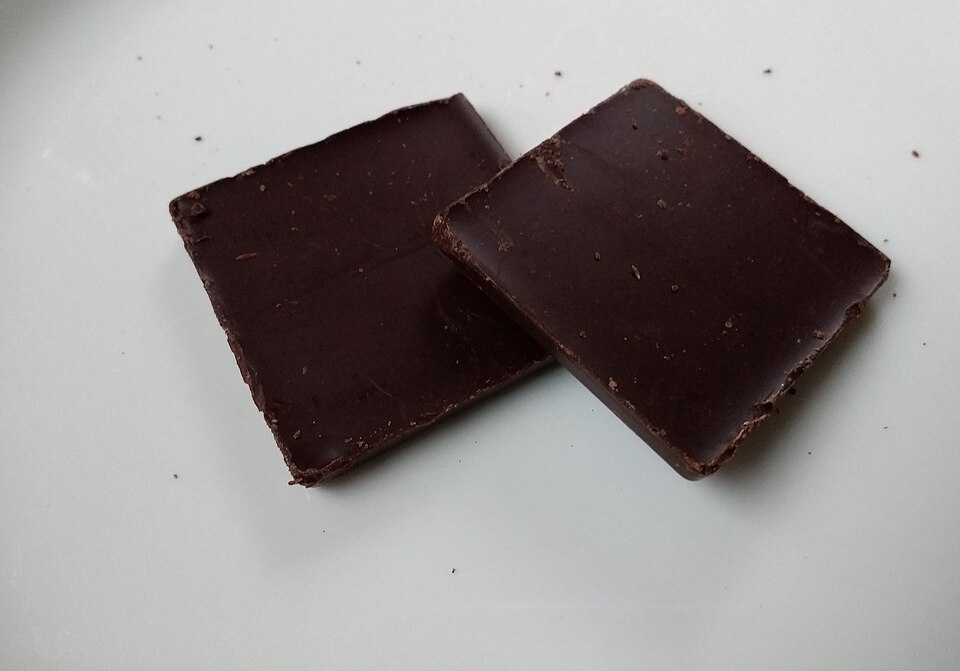
The claim: dark chocolate is "good for your heart," packed with antioxidants — practically a health food. Every few months a headline announces that chocolate prevents heart disease, sharpens your brain, or even helps you lose weight. Chocolate companies fund a lot of this research, which should make us read carefully. So: is there real science behind the halo, or is it marketing with a lab coat?
The story starts long before the chocolate bar. Cacao was sacred to the Maya and Aztecs, who drank it as a bitter, spiced ceremonial brew — no sugar, no milk. When Spanish colonists brought it to Europe, it remained an elite, bitter drink for centuries; the sweet solid bar only arrived in the 1800s. The "chocolate is healthy" narrative is much newer: it took off in the 1990s and 2000s when researchers noticed that certain populations consuming lots of cocoa — like the Kuna people of Panama, who drink traditional high-cocoa brews — had remarkably low rates of hypertension. That observation launched two decades of cocoa science… and two decades of chocolate marketing riding on it.
Who spreads the health halo today? Partly the chocolate industry itself, which funds a significant share of cocoa research (a conflict of interest we'll keep flagging). Partly lifestyle media, which loves a "guilt-free indulgence" headline. And partly all of us — because who doesn't want their favourite treat to be medicine? That desire is exactly why this topic needs a cold-eyed look.
What's actually in cocoa
The health case for chocolate rests entirely on cocoa solids — everything else in the bar is just delivery. Cocoa is genuinely rich in flavanols (especially epicatechin), plant compounds that improve blood-vessel function. It also contains:
- Theobromine: a mild stimulant related to caffeine — gentler, longer-lasting, and partly responsible for chocolate's subtle lift. A 20g serving of dark chocolate has roughly 100–200mg of theobromine and ~10–15mg of caffeine.
- Minerals: meaningful amounts of magnesium, iron, copper and manganese per serving — one of chocolate's underappreciated features.
- Fibre: a little — dark chocolate has more than you'd expect from candy, around 2–3g per 20g serving.
- Fat and sugar: the catch. Cocoa butter is about half saturated fat, and even 70% chocolate carries ~5g of sugar per 20g serving. The flavanols arrive in a package of calories.
The crucial variable is cocoa percentage: it tells you how much of the bar is cocoa solids versus sugar and other ingredients. A 20g serving of 70% dark chocolate delivers roughly 100–200mg of flavanols (processing and bean origin cause wide variation), plus ~120 calories, 8g of fat and 5g of sugar. That dose will matter enormously when we compare it with trial doses.
Claim 1: Good for blood pressure and blood vessels — real, but modest
This is the best-supported claim, and it isn't hand-waving. Randomised trials show cocoa flavanols lower blood pressure by about 2–3 mmHg on average and improve endothelial function — how well arteries dilate in response to blood flow. The mechanism is well understood: flavanols boost nitric oxide availability, which relaxes blood-vessel walls.
A large US trial of cocoa extract (the COSMOS trial) found that daily cocoa flavanols modestly reduced cardiovascular death over several years in older adults. That's a genuinely hard outcome — not just a lab marker — though the effect was small and the trial used extract capsules, not chocolate bars.
Perspective matters: a 2–3 mmHg blood-pressure reduction is real but small — roughly what you'd get from cutting back modestly on salt, and far less than medication. It's a genuine physiological effect, not a reason to skip your prescription.
Claim 2: Good for the brain — early and interesting
A handful of trials have tested cocoa flavanols on cognition. Short-term studies found improved blood flow to the brain and small improvements in attention and processing speed after high-flavanol cocoa drinks. A couple of longer trials in older adults suggested modest benefits for memory and executive function.
Honest assessment: this is promising but preliminary. The trials are small, the effects are modest, and most used flavanol doses far above what a chocolate bar delivers. "Chocolate makes you smarter" headlines are wildly overblown — but the underlying vascular mechanism (better blood flow helps everything, including the brain) is plausible. File under "interesting, watch this space."
Claim 3: Lifts mood — true, for complicated reasons
Chocolate reliably lifts mood in the short term — few would dispute this from personal experience. But why is murkier than the headlines suggest. Candidates include the sugar rush, the theobromine lift, the sensory pleasure of melting fat and flavour (oro-sensory reward is powerful), and simple ritual and comfort. There are also trace compounds like phenylethylamine and anandamide that get romantic press coverage, but they're present in amounts far too small to affect the brain — the "chocolate contains the bliss chemical" story is mostly myth.
Our take: the mood effect is real, and the mechanism doesn't matter much. Pleasure is a legitimate benefit. Just don't confuse "makes me happy" with "is medicine."
The catch: dose vs deliciousness
Here's the problem the headlines skip: the trials showing vascular benefits use high-flavanol cocoa — typically 400–900mg of flavanols daily, often as specially processed cocoa or extract capsules. A typical 20g serving of 70% dark chocolate delivers roughly 100–200mg. To hit trial doses from chocolate alone you'd need 4–5 servings a day — around 600 calories of chocolate, with all the sugar and saturated fat that entails.
The "health food" framing collapses under its own math. Nobody's arteries benefit from 600 calories of chocolate a day. This is the central tension of the entire topic: the compound is genuinely interesting, but the food is a calorie-dense treat. Chocolate companies advertising "antioxidant-rich dark chocolate" are technically describing the cocoa while selling you the sugar.
There's a second catch: processing destroys flavanols. The "Dutch processing" (alkalisation) used to make cocoa powder darker and milder can wipe out most flavanols. So two bars both labelled 70% can have very different flavanol content depending on how the cocoa was treated. The label percentage tells you about cocoa solids, not flavanol levels — and manufacturers don't print flavanol content.
Dark vs milk vs white — the honest ranking
- Dark (70%+): most flavanols, least sugar. The only kind with a plausible health case — and even that case is "small pleasure, small upside."
- Dark (50–69%): a middle ground — more sugar, fewer flavanols. Fine as a treat; the health argument is thin.
- Milk chocolate: diluted cocoa, more sugar and milk fat. Some flavanols remain, but treat it as candy, which it is.
- White chocolate: contains no cocoa solids at all — just cocoa butter, sugar and milk. Zero flavanols. Pure confectionery wearing chocolate's name.
Claims that don't survive
- "Aids weight loss": no. A few wildly over-interpreted small studies spawned headlines; the trials don't support it. Chocolate is calorie-dense — the opposite of a diet aid.
- "Prevents heart attacks": overstated. Flavanols modestly improve vessel function and one large trial found a small reduction in cardiovascular death with extracts. That's a long way from "eating chocolate prevents heart disease."
- "More antioxidants than blueberries": ORAC-value comparisons are marketing theatre — test-tube antioxidant capacity says almost nothing about health effects in the body.
The heavy-metal footnote you should know
Independent testing in recent years has found concerning cadmium and lead levels in some dark chocolate brands — cadmium comes from cocoa-growing soils (it's absorbed by the cacao tree), lead mostly from post-harvest contamination. Dark chocolate tends to test worse than milk simply because it contains more cocoa solids.
How worried should you be? For an occasional treat, not very. For a daily dark-chocolate habit — especially the kind the health headlines encourage — it's worth checking current independent test reports and favouring brands that test lower. This is the quiet irony of the health halo: the "healthier" chocolate choice carries the higher heavy-metal exposure. Moderation solves most of it.
How to eat it right
- Portion: 20–30g a day (a few squares) of 70%+ cocoa is the sensible zone — enough for pleasure and a small flavanol dose, without blowing your calorie budget.
- Choose 70% or higher: the percentage genuinely matters — more cocoa means more flavanols and less sugar per bite. Below 70%, the health case gets very thin.
- Consider raw cacao: unsweetened cacao powder is the most concentrated flavanol source with almost no sugar — genuinely the best cocoa health buy, if you can handle the bitterness. A tablespoon in smoothies, oats or warm milk works well. Look for non-Dutched (natural) cacao, since alkalisation destroys flavanols.
- Timing: chocolate contains theobromine and a little caffeine — an evening bar can disturb sensitive sleepers. Afternoon is the sweet spot.
- Savour, don't inhale: the mood and satisfaction benefits are strongest when you eat it slowly. Two squares eaten mindfully beat a bar eaten distractedly.
- Don't "health-wash" the habit: if you want flavanol doses at trial levels, cocoa extract capsules exist — but for most people, that's overkill. Eat chocolate because you enjoy it; let the small vascular bonus be a side effect, not the justification.
| Product | Cocoa | Flavanols (approx) | The honest verdict |
|---|---|---|---|
| Dark chocolate 85% | 85% | ~150–250mg per 20g | Best bar option; intense, least sugar |
| Dark chocolate 70% | 70% | ~100–200mg per 20g | The sensible everyday pick |
| Milk chocolate | ~30% | ~30–60mg per 20g | Candy with a cocoa rumour |
| White chocolate | 0% solids | 0mg | Not chocolate, nutritionally speaking |
| Raw cacao powder | 100% | ~300–500mg per tbsp | The real flavanol powerhouse |
| Cocoa extract capsule | Concentrated | 400–600mg | Trial-level dose; joyless but effective |
Who should be careful
- People watching calories or blood sugar: even dark chocolate is calorie-dense and contains sugar — diabetics should count it as the treat it is, not a health food.
- Migraine sufferers: chocolate is a commonly reported trigger (though the evidence is mixed and may involve cravings as a pre-headache symptom rather than causation). If you notice a pattern, trust it.
- Acid reflux: chocolate relaxes the oesophageal sphincter and can worsen heartburn — the fat and theobromine both contribute.
- Kidney stones (oxalate type): cocoa is high in oxalates; heavy consumers with a history of calcium-oxalate stones should keep portions small.
- Caffeine-sensitive people and young children: dark chocolate's theobromine + caffeine can affect sleep and cause jitters in the sensitive — keep evening portions away from kids.
- Heavy-metal exposure: daily dark-chocolate eaters should check independent test reports and rotate brands; children and pregnant women have the least margin for lead and cadmium.
Quick questions
How much dark chocolate is reasonable daily?
20–30g (a few squares) of 70%+ cocoa. Enough for pleasure and a small flavanol dose, without blowing your calorie budget. More than that and the sugar and fat outweigh any flavanol benefit.
Does the % on the label matter?
Yes — higher cocoa % means more flavanols and less sugar per bite. Below 70%, the health case gets very thin. But note the % measures cocoa solids, not flavanol content, which also depends on processing.
Is raw cacao powder better?
For flavanols, yes — it's the most concentrated source with almost no sugar, genuinely the best cocoa health buy, if you can handle the bitterness. Choose natural (non-Dutched) cacao, since alkalisation destroys flavanols.
Should I worry about lead and cadmium in dark chocolate?
For occasional eating, no. For daily dark-chocolate habits, it's worth checking current independent test reports and favouring lower-testing brands — dark chocolate carries more cocoa solids, and therefore more heavy metals, than milk. Children and pregnant women should be most cautious.
Does chocolate really cause acne?
The evidence is weak and mixed. Large reviews find no strong link between chocolate and acne — high-glycaemic diets overall are more plausibly implicated than chocolate specifically. If you notice a personal pattern, trust your skin over the statistics.
Is chocolate good for the heart?
Modestly and indirectly: flavanols improve vessel function a little, and one large trial of cocoa extract found slightly lower cardiovascular death. But "good for the heart" as a description of chocolate bars is industry framing — the dose in a bar is small and arrives with sugar and saturated fat.
What about chocolate and weight loss?
No credible trial supports it. Chocolate is calorie-dense (~120 calories per 20g of dark). Any headline claiming otherwise misread a small, weak study. Eat it for pleasure, not for the scale.
Can I eat dark chocolate if I have diabetes?
In small portions, usually yes — dark chocolate has a lower glycaemic impact than milk chocolate, and the fat slows sugar absorption. But it's still a sugary treat: count the carbs, keep it to a square or two, and don't let the health halo justify a whole bar.