
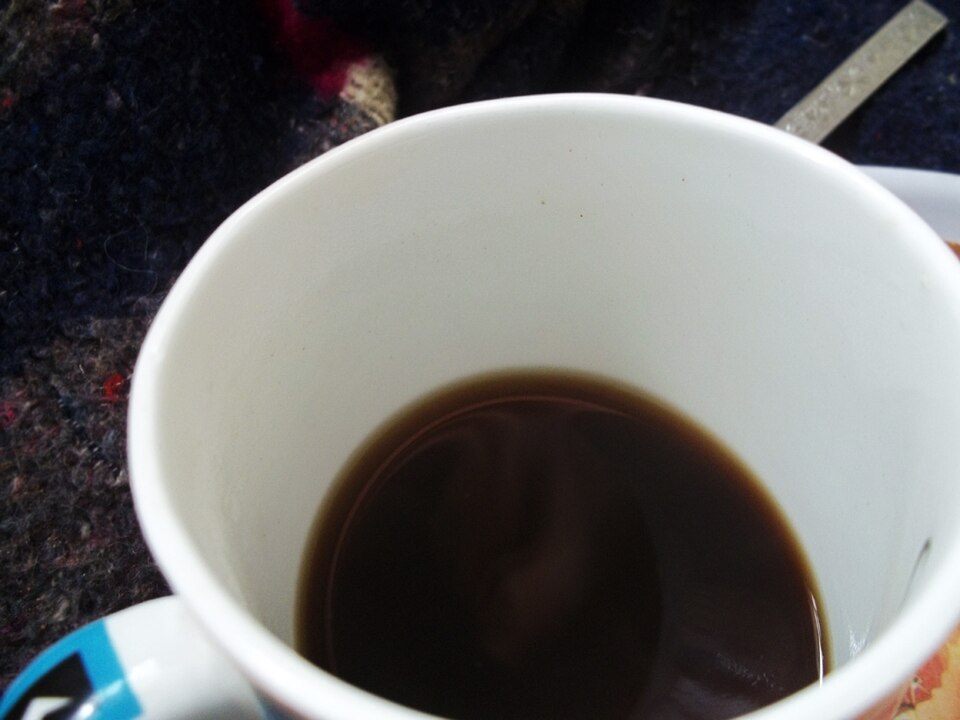
The claim: coffee is either a heart-damaging stimulant that spikes blood pressure and strains your heart — or a longevity elixir linked to living longer, with headlines every few months declaring a new benefit. Both camps cite "studies." With over 2 billion cups drunk daily, coffee is one of the most researched beverages on earth, which means the evidence is unusually deep — and the myths unusually stubborn. Here's what the weight of it actually says.
To understand the confusion, it helps to know coffee's dramatic history. Discovered (legend says) by an Ethiopian goat herder noticing his animals dancing after eating the berries, coffee spread through Yemen, the Ottoman Empire and then Europe — where it was promptly condemned. In the 1500s it was called "the bitter invention of Satan"; various rulers tried to ban coffeehouses as dens of political plotting. By the 1700s, doctors were prescribing it for everything from headaches to "female hysteria," while others blamed it for nervous disorders. Coffee has been both miracle and menace for 500 years. The modern version of that argument just wears a lab coat.
Who keeps the argument alive today? On one side, wellness influencers warn that caffeine "fries your adrenals" and "destroys your gut" — claims with essentially no scientific basis. On the other, coffee brands and lifestyle media cherry-pick each new positive study into headlines like "Coffee adds years to your life!" Both are selling something. The real story, built from decades of research on millions of people, is more interesting than either slogan.
What's actually in your cup
Coffee is far more than caffeine. A standard cup of brewed coffee (240ml) contains about 95mg of caffeine — though this varies wildly, from ~60mg in some instant coffees to 200mg+ in a strong café brew. But it also delivers:
- Chlorogenic acids: a family of polyphenols with genuine antioxidant and anti-inflammatory activity. A cup of coffee is one of the largest single sources of dietary antioxidants in many people's diets — which sounds impressive until you remember that "antioxidant" is a mechanism, not a health outcome.
- Diterpenes (cafestol and kahweol): oily compounds that can raise LDL cholesterol — but only significantly in unfiltered coffee like French press, Turkish or boiled coffee. Paper filters trap almost all of them, which is why brew method matters (more below).
- Trigonelline, melanoidins, and small amounts of B vitamins (notably niacin and riboflavin), magnesium and potassium. Nobody drinks coffee for the potassium, but it all adds up.
- Decaf keeps most of the polyphenols while removing ~97% of the caffeine — which is why decaf is such a useful natural experiment: when decaf drinkers show the same benefits, we know caffeine isn't the whole story.
The big picture: coffee drinkers live slightly longer
This surprises people, but it's one of the most consistent findings in nutrition science. Large cohort studies — following hundreds of thousands of people for a decade or more — repeatedly find that moderate coffee drinkers (around 3–4 cups a day) have lower all-cause mortality than non-drinkers, roughly 10–15% lower risk in the biggest pooled analyses. The effect shows up across continents, in men and women, and it holds for decaf too.
Important honesty notes: these are observational studies, not randomised trials — nobody is going to randomise 100,000 people to drink or avoid coffee for 20 years. So we can't fully rule out that coffee drinkers differ in other ways (though researchers adjust for smoking, diet, exercise, income and more). And the benefit curve is U-shaped or J-shaped: the sweet spot is moderate intake, with the advantage fading at very high consumption. Still, when dozens of large studies in different populations point the same way, "association" starts to look like something real.
What might explain it? Probably the polyphenols rather than the caffeine — the decaf finding is the giveaway. Coffee's chlorogenic acids appear to improve blood-vessel function, dampen inflammation and help regulate blood sugar. It's likely a bundle of small effects adding up, not one magic mechanism.
What about the heart and blood pressure?
This is where most people's worry lives, so let's take it apart carefully.
Blood pressure: caffeine does raise blood pressure acutely — about 3–8 mmHg for a few hours after a cup, more in people who rarely drink it. But regular drinkers develop substantial tolerance within days, and long-term studies find no increased risk of developing hypertension from habitual moderate coffee drinking. Your morning cup is not quietly giving you high blood pressure.
Heart attacks and stroke: the old "coffee causes heart attacks" scare came from early studies that didn't properly control for smoking — back when heavy coffee drinkers were also heavy smokers, the coffee took the blame for the cigarettes. Modern studies that account for smoking find the data leans mildly protective at 3–4 cups a day for coronary heart disease and stroke, and neutral beyond that.
Irregular heartbeat: a persistent myth says coffee triggers arrhythmias. Large studies find no link between moderate coffee intake and atrial fibrillation — the most common arrhythmia. Some people are individually sensitive and feel palpitations, and they should listen to their bodies, but at the population level the fear isn't supported.
Cholesterol — the real catch: unfiltered coffee (French press, Turkish, Scandinavian boiled coffee) contains cafestol, which can raise LDL cholesterol meaningfully — several cups a day of French press can push LDL up by a noticeable amount. Paper-filtered coffee removes almost all of it. This is one of the clearest, most actionable findings in coffee science: if you drink a lot of coffee and watch your cholesterol, use a paper filter.
Type 2 diabetes: coffee's strongest link
If coffee has a superstar benefit, this is it. Across many large cohort studies, each daily cup is associated with roughly 7% lower risk of type 2 diabetes — so 3–4 cups links to around a quarter lower risk. The association is remarkably consistent, holds for decaf (again pointing at polyphenols, not caffeine), and appears in diverse populations.
The likely mechanism: chlorogenic acids seem to slow glucose absorption in the gut and improve how cells respond to insulin. A few small trials have even shown coffee acutely improving glucose handling. But — crucial caveat — this applies to unsweetened coffee. Pouring three sugars into each cup wipes out the benefit and then some. The diabetes finding is about coffee, not about dessert that happens to contain coffee.
Liver, brain and mood
Liver: coffee drinkers consistently show lower rates of liver fibrosis, cirrhosis and liver cancer across multiple large studies — including in people with existing liver disease. Hepatologists take this seriously enough that some now mention coffee to liver patients. The effect is one of the most consistent in the literature.
Brain: long-term coffee drinking is linked to lower risk of Parkinson's disease and Alzheimer's in observational studies, and caffeine itself is a genuinely proven cognitive enhancer — it reliably improves alertness, reaction time and concentration in controlled trials. This isn't a subtle lab finding; it's why half the world self-medicates with it every morning.
Mood: several large cohorts find moderate coffee drinkers report lower rates of depression than abstainers. The usual caution applies (depressed people may simply drink less coffee, rather than coffee preventing depression), but the pattern is consistent enough to be interesting.
The real downsides
Coffee isn't harmless — its problems are just different from the ones people fear:
- Sleep: caffeine's half-life is 5–6 hours, meaning a 4pm coffee is still half-active at 10pm. This is coffee's most underrated harm. People who "sleep fine" on late coffee often don't realise their sleep quality — deep sleep stages — is degraded. If your sleep could be better, the afternoon cup is suspect number one.
- Anxiety and jitters: caffeine sensitivity is partly genetic — variants in the CYP1A2 gene make some people "slow metabolisers" who feel wired, anxious or get palpitations from small amounts. If one cup makes you shaky, that's your biology talking, not weakness.
- Dependence and withdrawal: daily drinkers who stop get the classic withdrawal headache, fatigue and irritability for a few days. It's mild as addictions go, but it's real — worth knowing before you judge your "need" for the morning cup.
- Pregnancy: most guidelines cap intake at 200mg of caffeine a day (about two small cups), because higher intakes are linked to miscarriage and low birth weight signals. The evidence isn't conclusive, but the precaution is standard.
- The sugar trap: a black coffee has ~2 calories; a flavoured latte with syrup and whipped cream can exceed 400. Most "coffee is unhealthy" anecdotes are really about dessert in a cup. The research benefits all come from plain or lightly-milked coffee.
- Stomach sensitivity: coffee stimulates stomach acid and gut motility — fine for most, uncomfortable for people with GERD or sensitive stomachs. Darker roasts and cold brew tend to be gentler.
How to drink it right
- Amount: the research sweet spot is 3–4 cups a day of regular-strength coffee (roughly 300–400mg caffeine total). More than that, benefits plateau and side effects climb.
- Timing: keep coffee to the morning and early afternoon — nothing within 6–8 hours of bed. If you sleep at 11pm, your last cup should be around 2–3pm.
- Brew method: use a paper filter (drip, pour-over) if you drink a lot — it traps the cholesterol-raising cafestol. French press and Turkish coffee taste wonderful but deliver the diterpenes.
- Keep it plain: black or with a little milk. Every pump of syrup moves you further from the studied benefits.
- Know your genes: if small amounts make you anxious or sleepless, you're probably a slow metaboliser — switch to half-caf or decaf and enjoy the polyphenols without the punishment.
- Don't start for health: if you don't drink coffee, the benefits aren't large enough to justify starting. They're a reassurance for existing drinkers, not a prescription.
| Brew method | Caffeine (per cup) | Cafestol (cholesterol) | Notes |
|---|---|---|---|
| Drip / pour-over (paper filter) | ~95mg | Negligible | Best-studied, lowest cholesterol impact |
| French press | ~100mg | High | Great flavour; raises LDL if drunk heavily |
| Espresso | ~63mg per shot | Moderate | Small serving; metal filter lets some through |
| Turkish / boiled | ~60mg | High | Unfiltered; the strongest cafestol hit |
| Instant | ~60mg | Negligible | Benefits largely preserved; convenient |
| Decaf (any method) | ~3mg | Varies by method | Keeps the polyphenols, drops the jitters |
Who should be careful
- Pregnant women: cap at 200mg caffeine daily — and remember tea, chocolate and energy drinks count too.
- People with anxiety disorders: caffeine can amplify anxiety and panic symptoms; even small amounts matter for the sensitive.
- Those with arrhythmias or severe hypertension: population data is reassuring, but individual sensitivity varies — discuss your intake with your cardiologist.
- GERD / acid reflux sufferers: coffee loosens the oesophageal sphincter and boosts stomach acid; cold brew and dark roasts are usually better tolerated.
- Children and teenagers: no established safe level; energy-drink-strength caffeine has no place in kids' diets.
- Slow caffeine metabolisers: if coffee reliably gives you jitters, palpitations or insomnia, trust the signal over the statistics.
Quick questions
Is instant coffee as good as brewed?
Largely yes — most of the beneficial polyphenols survive processing, and the big cohort studies include plenty of instant drinkers. It's lower in caffeine per cup, which some people prefer.
Does coffee dehydrate you?
No — a persistent myth. Coffee's mild diuretic effect is offset by its water content; it counts toward daily fluid intake. You don't need to "balance" each cup with water.
What time should I stop drinking coffee?
At least 6–8 hours before bed, given caffeine's 5–6 hour half-life. If you sleep at 11pm, your last cup should be around 2–3pm — and remember that "I fall asleep fine" doesn't mean your deep sleep is unaffected.
Is decaf pointless?
Not at all — decaf keeps most of the polyphenols linked to the long-term benefits while removing ~97% of the caffeine. If caffeine bothers you, decaf is one of the smartest swaps in nutrition.
Does coffee raise cholesterol?
Only unfiltered coffee (French press, Turkish, boiled) in significant amounts, via the compound cafestol. Paper-filtered drip coffee has a negligible effect. Brew method matters more than the beans here.
Can coffee cause a heart attack?
Large modern studies find no increased risk from moderate habitual drinking — the old scare came from studies that failed to account for smoking. Very high acute doses in sensitive individuals can cause palpitations, but that's a different scenario from daily moderate use.
Should I drink coffee before a workout?
Caffeine is one of the few legal, proven performance enhancers — 3–6mg per kg of body weight about 30–60 minutes before exercise reliably improves endurance and strength. Just don't let it push your total daily intake into the red zone.
How do I cut down without withdrawal headaches?
Taper gradually — reduce by about a quarter every few days, or mix regular with decaf in increasing proportions over 1–2 weeks. The withdrawal headache typically peaks at 24–48 hours and fades within a week.